Certified Roofing Services in Moncton for Residential Properties
Uncover the Most Recent Advancements in Roofing Materials and Approaches
The roofing industry is experiencing a significant transformation. Innovations including solar-integration technology and green materials are gaining popularity. Property owners currently have options available that highlight sustainability and effectiveness. Moreover, innovative installation approaches and smart systems are reshaping traditional methods. As these trends keep developing, their impact on both design and practicality creates important considerations for property owners and industry professionals alike. What does the future hold in this changing landscape?
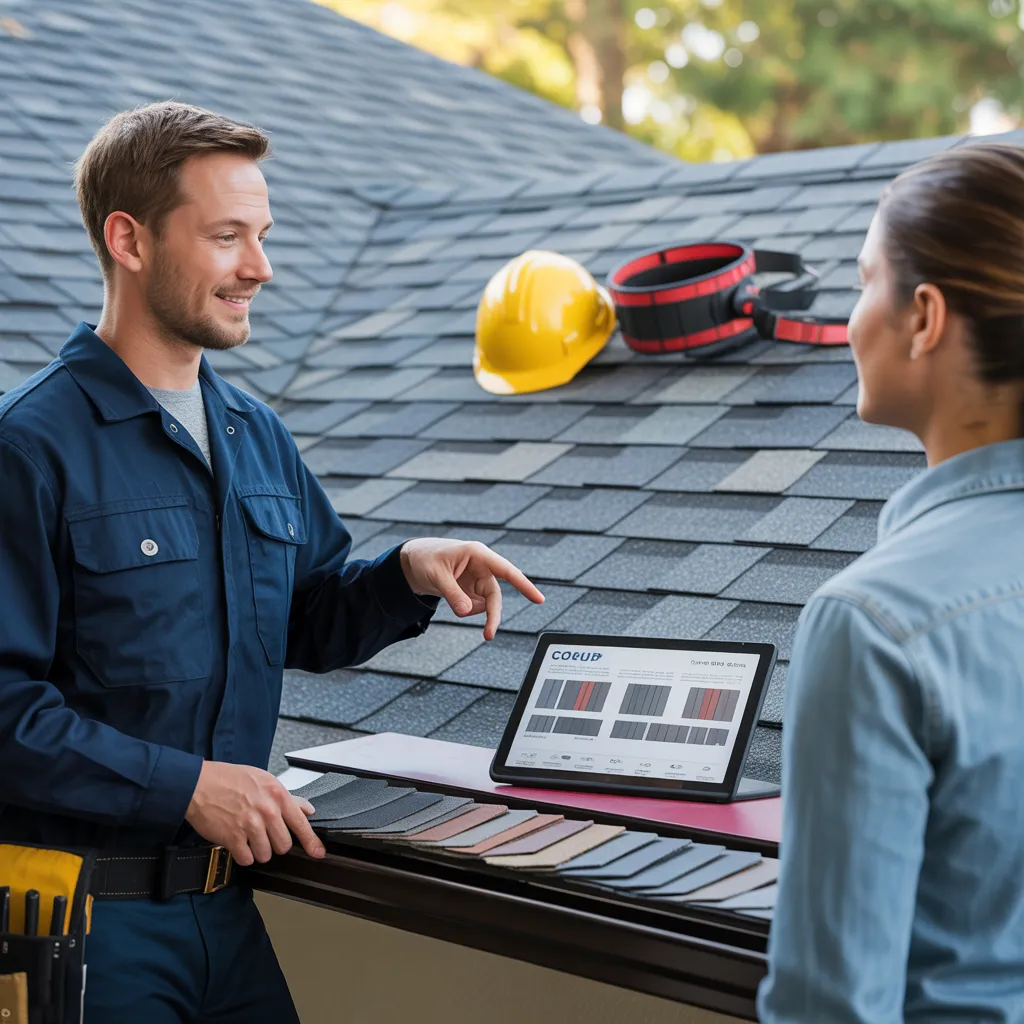
Solar-Powered Roof Solutions
How can homeowners effectively harness solar energy while enhancing their roofing systems? Solar-enhanced roofing options present a persuasive response. These cutting-edge systems blend standard roofing products with photovoltaic innovations, allowing homeowners to generate electricity without compromising aesthetic appeal. By installing solar-powered shingles or tile systems, property owners can smoothly blend electricity production into their roofing systems, maximizing energy efficiency while maintaining the architectural integrity of their homes.
Such systems not only minimize dependency on fossil fuels but also lower utility bills. Moreover, developments in solar technology have produced more durable, weather-resistant materials that can withstand harsh conditions, providing longevity. As energy needs grow, solar-integrated roofs present an efficient, sustainable alternative that corresponds with modern ecological objectives. This dual functionality increases home value and advances environmental stewardship, positioning homeowners as proactive players in the renewable energy movement. Ultimately, this innovative approach transforms traditional roofing into an essential component of energy sustainability.
Environmentally Friendly Roofing Solutions
Green roofing materials are gaining popularity as homeowners pursue sustainable options for their roofs. These materials not only reduce environmental impact but also enhance energy efficiency, contributing to lower utility costs. The growing availability of cutting-edge, sustainable materials presents exciting prospects for the roofing industry.
Sustainable Material Alternatives
As homeowners increasingly prioritize sustainability, a variety of eco-friendly roofing materials have appeared as feasible choices. From these choices, reclaimed wood provides a rustic aesthetic while cutting down on waste, making it a popular choice. Metal roofing, particularly made from recycled materials, offers durability and the ability to be recycled, substantially minimizing environmental impact. Furthermore, natural slate and clay tiles deliver durability and energy efficiency, often acquired through sustainable practices. Green roofs, which include vegetation, boost insulation and foster biodiversity. Moreover, synthetic materials created from recycled content can imitate traditional roofing styles while being reduced in weight and more robust. These sustainable options not only meet the urgent need for eco-friendly construction but also accommodate the aesthetic and functional requirements of modern homes.
Energy-Efficient Roofing Systems
With the growing emphasis on sustainability, energy-efficient roofing solutions have become more essential for homeowners looking to reduce their carbon footprint. These innovative roofing materials, such as cool roofs, green roofs, and solar shingles, provide significant energy savings by deflecting solar rays and improving insulation. Cool roofs, finished with reflective materials, can minimize rooftop temperatures, cutting the need for air conditioning. Green roofs, which include vegetation, not only deliver natural insulation but also boost urban biodiversity. In addition, solar shingles integrate photovoltaic technology into traditional roofing, empowering homeowners to generate renewable energy. By embracing these eco-friendly solutions, homeowners can contribute to environmental conservation while enjoying lower energy bills and increased property value. Energy-efficient roofing embodies a critical step toward a sustainable future.
Cool Roof Technologies
Cool roofing technologies signify a substantial development in roofing solutions focused on boosting energy efficiency. Key components include energy-efficient roof coatings, reflective roofing materials, and innovative green roof solutions. These technologies do more than simply lower energy costs but also enhance better urban climate resilience.
Eco-Friendly Roof Coatings
Although traditional roofing materials often absorb heat, energy-efficient roof coatings, frequently referred to as cool roof technologies, reflect a considerable portion of sunlight and minimize heat retention. These coatings are generally composed of reflective pigments and specialized polymers that enhance their thermal performance. By decreasing heat transfer, energy-efficient roof coatings can reduce indoor temperatures, resulting in decreased reliance on air conditioning systems. This not only encourages energy savings but also leads to reduced greenhouse gas emissions. Moreover, these coatings can increase the lifespan of roofing materials by safeguarding them from UV damage and weathering. All in all, energy-efficient roof coatings represent a sustainable solution that benefits both property owners and the environment, making them an increasingly popular choice in modern roofing practices.
Light-Reflecting Roof Solutions
Reflective roofing products, frequently classified as cool roof systems, fulfill a critical purpose in boosting energy performance in buildings. These materials are designed to reflect a significant portion of sunlight away from the structure, reducing heat absorption and lowering indoor temperatures. By utilizing reflective applications, membranes, or shingles, facility managers can diminish their need for climate control equipment, generating considerable energy conservation. Additionally, these roofs contribute to mitigating urban heat island effects, promoting a cooler environment in densely populated areas. Offered in multiple hues and surface treatments, reflective roofing materials can be visually attractive while delivering practical advantages. With growing consciousness about environmental challenges, the implementation of reflective roofing products is progressively acknowledged as an eco-friendly option for contemporary building methods.
Living Roof Systems
Building on the advancements in reflective roofing materials, green roof solutions have emerged as an additional innovative approach to enhancing urban sustainability. These systems, which incorporate vegetation and soil on rooftops, deliver numerous environmental benefits. By absorbing rainwater, they alleviate urban flooding and decrease heat island effects, thereby lowering surrounding temperatures. Moreover, green roofs improve air quality by filtering pollutants and producing oxygen. They also enhance building insulation, contributing to energy efficiency and decreasing heating and cooling costs. With diverse plant options, including native species, green roofs foster biodiversity in urban settings. As cities continue to expand, green roof solutions represent a essential strategy for integrating nature into urban infrastructure, fostering more sustainable and more resilient communities.
Synthetic Roofing Products
What renders synthetic roofing products an attractive option for today's construction? These innovative materials offer a fusion of longevity, aesthetic appeal, and cost-effectiveness. Composed of various polymers and composites, synthetic roofing options imitate standard materials like slate or wood while delivering enhanced performance qualities. They are low-weight, which facilitates installation and reduces structural load on constructions.
In addition, synthetic choices often provide excellent resistance to weather elements, including UV rays, moisture, and extreme temperatures, delivering extended lifespan and minimal maintenance requirements. Many products also feature warranties that showcase their durability and reliability.
Concerning environmental impact, synthetic roofing materials can be manufactured with recycled content, contributing to sustainability efforts within the construction industry. Their versatility provides a variety of styles and colors, meeting the needs of diverse architectural designs. On the whole, synthetic roofing products present an attractive alternative for homeowners and builders looking for modern solutions.
Advanced Implementation Methods
Numerous modern installation approaches have developed in the roofing industry, notably enhancing the effectiveness and quality of the process. One notable method is the use of prefabricated roofing systems, which enable for quicker assembly on-site and reduce material waste. Additionally, modular roofing panels enable more convenient handling and installation, resulting in substantial time savings.
Another innovative approach involves the application of advanced adhesive technologies, which remove the need for mechanical fasteners in particular roofing applications, thereby streamlining the installation process. The use of drones for site inspections and measurements has also gained popularity, providing accurate data and enhancing safety during the installation phase.
Moreover, training programs for roofing contractors now highlight precision techniques, such as correct flashing installation and thermal imaging assessments, to provide durable results. These modern installation approaches contribute to superior overall roof quality and longevity, reflecting the industry's focus on continuous improvement.
Smart Roof Systems and Technology
Advanced roofing systems and technology are transforming the way buildings control energy and environmental conditions. These advanced solutions integrate sensors, automation, and advanced materials to enhance roof performance. Featuring real-time monitoring capabilities, smart roofs can measure temperature, humidity, and energy consumption, allowing optimized management of heating and cooling systems.
Moreover, numerous smart roofs utilize eco-friendly materials that increase energy efficiency by lowering heat absorption and supporting insulation. Various systems even incorporate solar panels that generate renewable energy, additionally supporting sustainability efforts.
Moreover, advanced smart roofing technologies can notify building managers of potential concerns, such as leaks or structural weaknesses, facilitating timely maintenance. As urban environments increasingly confront climate challenges, these technologies not only strengthen building resilience but also result in a reduction in overall carbon footprints, making them an essential component of modern architectural practices.
FAQ
What's the Best Way to Pick Roofing Material for My Home?
To pick the best roofing material, one should consider factors like climate, durability, aesthetics, budget, and maintenance demands. Engaging professionals and exploring offered options provides an informed decision customized for the home's specific requirements.
How Long Do Modern Roofing Materials Typically Last?
The average lifespan of today's roofing materials varies considerably, usually spanning from read the information 15 to 50 years. Asphalt shingles generally last about 20 years, while metal roofing materials can remain functional for up to 50 years with adequate installation and maintenance.
Are Advanced Roofing Systems Suitable for All Weather Conditions?
Contemporary roofing solutions don't work equally well in all climatic conditions. The performance of each material differs according to environmental elements, requiring meticulous choice to assure lasting performance in specific weather conditions and regional challenges.
How Should I Properly Maintain New Roofing Systems?
To properly maintain new roofing systems successfully, scheduled inspections, quick repairs, clearing debris, and correct cleaning methods are essential. Additionally, adhering to manufacturer guidelines and maintaining sufficient ventilation will enhance the lifespan and performance of the roofing materials.
What Are the Expenses Related to Innovative Roofing Solutions?
The costs associated with innovative roofing solutions vary widely, generally spanning from $5 to $15 per square foot. Considerations determining pricing include materials, installation complexity, and local workforce costs, affecting overall project budgets substantially.